
Effective piano practice is the foundation of strong musical skills. With the right approach, students can enhance their practice routines and enjoy the journey of learning. Here are some tips to help you or your child get the most out of each practice session:
- Set Clear Goals: Before you begin, think about what you’d like to accomplish — mastering a new piece, improving your technique, or getting better at sight-reading.
- Establish a Routine: Consistency is key to progress. Try to create a regular practice schedule that fits into your daily life. Even brief, focused sessions can be incredibly effective.
- Warm Up First: Start your practice with warm-up exercises — scales, arpeggios, and finger exercises — to get your fingers and mind ready.
- Break It Down: Tackling a new piece? Break it into smaller sections and practice each one slowly. Focus on playing accurately, and gradually increase the tempo.
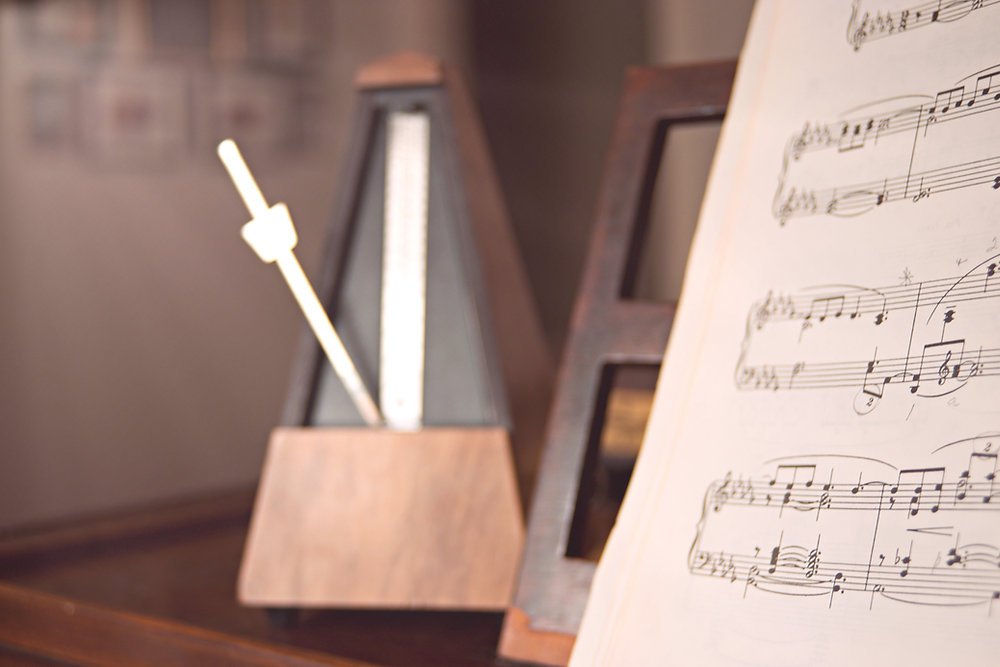
- Use a Metronome: Practicing with a metronome helps you develop a strong sense of timing and rhythm. Begin at a slower pace and gradually speed up.
- Record Yourself: Recording your practice sessions lets you pinpoint areas that need more attention and celebrate where you’ve improved.
- Stay Positive and Patient: Progress sometimes feels slow, but staying positive is key. Celebrate each small victory!
- Seek Feedback: Ask your piano teacher for feedback regularly. Their insights can guide your practice in the right direction.
- Keep a Practice Journal: Note what you worked on, any challenges you faced, and your achievements. This helps you track progress and stay motivated.
- Enjoy the Journey: Remember that playing the piano should bring joy. Choose pieces that you love and mix them into your practice to keep things fun and engaging.
By incorporating these strategies, you can turn your practice sessions into enjoyable and productive experiences. Happy playing!