
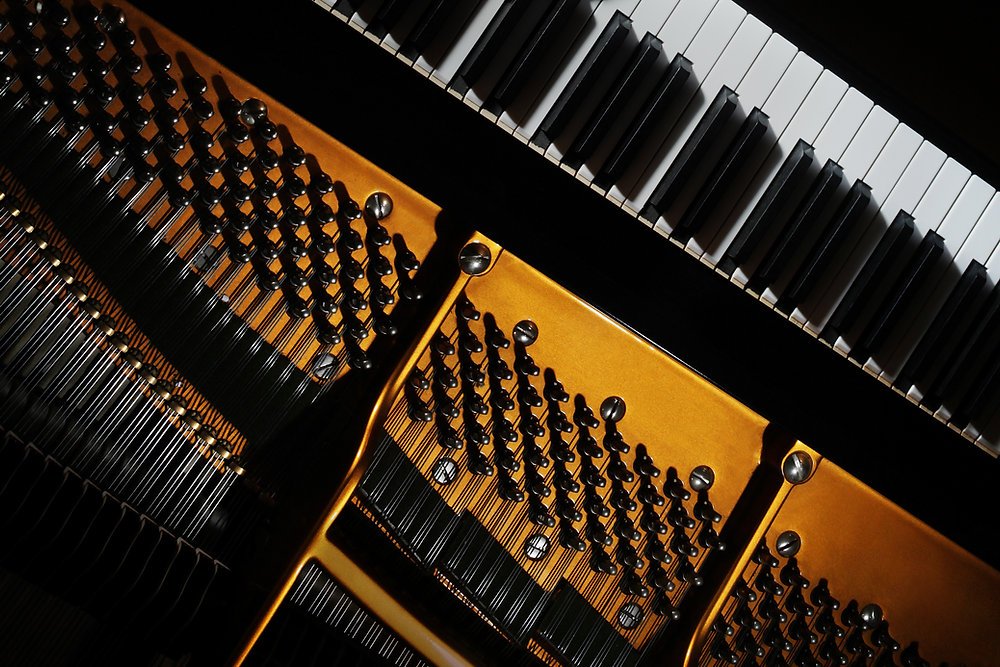
The piano is one of the most popular instruments in the world and has been around for centuries. Whether you’re a student or a devoted piano parent, understanding the instrument’s evolution can deepen your appreciation for the beautiful music that this instrument can create.
Origins
The piano has its roots in various keyboard instruments that were developed in the early 16th century. Here are some key developments that led to the creation of the piano:
- Harpsichord: A popular keyboard instrument in the 16th century that used strings plucked by quills to produce sound.
- Clavichord: A keyboard instrument that used hammers to strike the strings, producing a softer sound than the harpsichord.
- Piano predecessor: Various inventors experimented with combining the features of the harpsichord and the clavichord to create a new instrument that could produce a range of dynamics.
Development
Bartolomeo Cristofori, an Italian instrument maker, is credited with inventing the first piano around 1700. His innovative creation allowed musicians to play both soft and loud notes, a characteristic we now take for granted but was groundbreaking at the time. He called it the “gravicembalo col piano e forte” — Italian for “harpsichord with soft and loud.”
The piano continued to evolve throughout the 18th and 19th centuries:
- Various improvements were made to the design, including the addition of a sustain pedal and the development of a more robust frame to support the strings.
- The piano became increasingly popular in the 19th century and was a fixture in many households as well as concert halls.
- Famous composers like Beethoven and Mozart wrote beautiful music for the piano.
The Evolution of Sound
In the 18th and 19th centuries, piano design continued to evolve with improvements in tone quality, keyboard layout, and string tension. These developments led to the creation of the modern piano. Famous composers like Mozart, Beethoven, and Chopin embraced the piano’s evolving capabilities, composing masterpieces that showcased its expressive power.
Modern Times
In the 20th century, the piano underwent further innovations:
- Electric pianos: Developed in the mid-20th century, using electronics to produce sound instead of hammers and strings. Often used in rock bands and pop music.
- Digital pianos: Use technology to replicate the sound of an acoustic piano and have become increasingly popular. They can be used with headphones for quiet practice.
- Innovative designs: Some manufacturers have experimented with carbon fiber frames, digital displays, and other modern materials.
Finishing Words
The piano is a beautiful instrument with a rich and fascinating history. From the harpsichord to the modern digital piano, the piano has undergone many changes over the centuries. Understanding the evolution of the piano helps us appreciate the instrument’s complexity and versatility.
I encourage all of you to explore the beautiful world of piano music and continue the tradition of innovation and creativity that has defined the instrument for centuries. The best way to honor the piano’s history is by playing it with passion, dedication, and love.